
Langley
Aldergrove
Abbotsford
Chilliwack
Mission
Home / Selling a Car in the Fraser Valley: The Guide
The guideSelling a scrap car in the Fraser Valley
Everything a Valley seller usually asks, in one place: what to have ready, what decides the number, and how a rural pickup works.
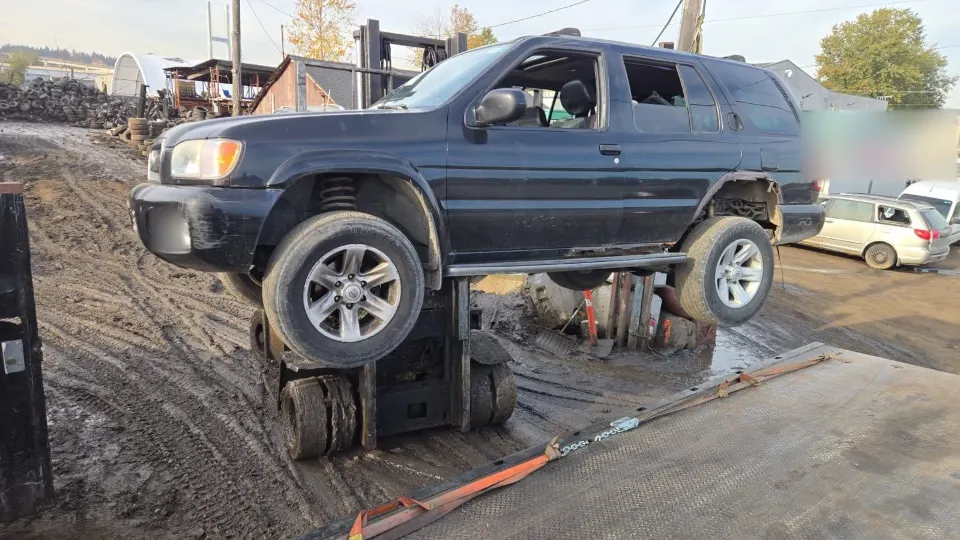
Written by the crew that does the pickups.
Get Your Cash Quote
Send it over and we'll call back fast with a firm number. Takes about a minute.
Got it!
Thanks! We'll call you back shortly with your cash quote. Need it faster? Call 236-761-2628.
Same DayPickup across the valley
FreeTowing to every town
CashPaid on the spot
7 DaysOpen every day
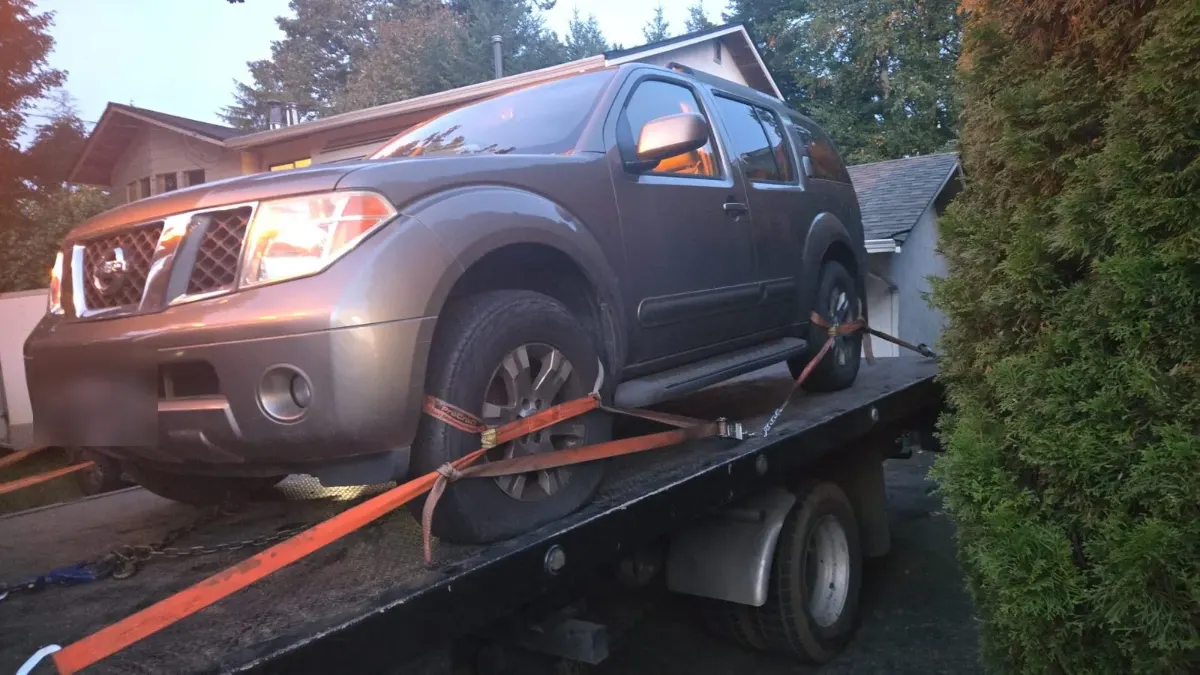
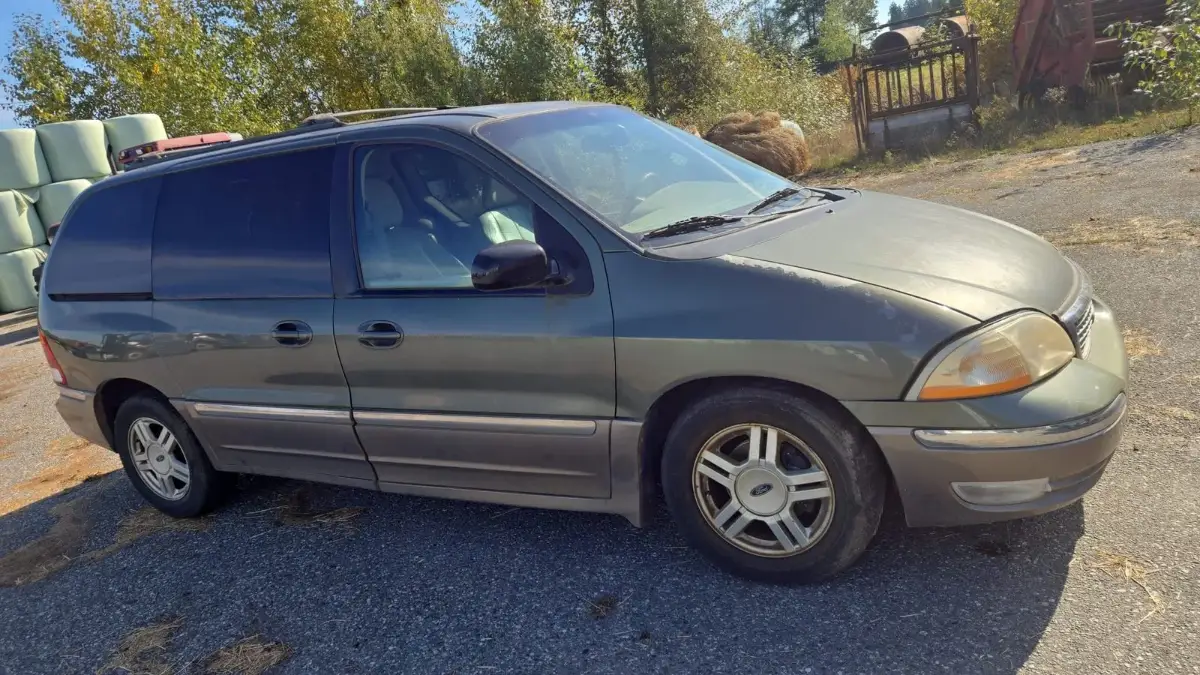
Step one
Get your paperwork together
BC keeps vehicle sales simple, as long as the right person signs the right papers.
Registration
BC has no ownership title. The registration that came with your insurance papers, the APV250, is the proof. Every registered owner signs it. If it's lost, any Autoplan broker can print a replacement.
Photo ID
We check government photo ID against the names on the registration. A driver's licence or BC Services Card works. If the names don't match, call us before pickup day.
Transfer/Tax Form
ICBC's Transfer/Tax Form (APV9T) records the change of owner. You sign it after you're paid. The driver brings a blank form. ICBC's selling a used vehicle page has the official steps.
Plates and insurance
Plates belong to ICBC, so they stay with you. Keep them for your next vehicle or hand them in at an Autoplan broker, and ask the broker about cancelling or moving the insurance.
Step two
Check for anything that could hold it up
Loans and liens
A vehicle with money owing may have a lien at BC's Personal Property Registry, searched by VIN. We can't buy it until the loan is paid out or the lender agrees in writing, so mention it early.
Estates
When the owner has passed away, the executor of the estate sells the vehicle with papers showing their authority. Bring those with your own ID.
Joint owners
A vehicle in two names needs both signatures. If one owner can't be there, call us first and we'll go over what works.
Company vehicles
A business-owned vehicle is signed over by someone with signing authority for the company.
Step three
Know what decides the number
Weight and type
Trucks, vans and SUVs carry more metal than small cars, so they usually pay more for scrap.
Completeness
The engine, transmission, catalytic converter and wheels all count. If something has been taken off, say so up front.
Year and model
Newer vehicles and popular models often have parts that are still in demand, which lifts the offer above metal value.
Where it is
A vehicle on a paved driveway in town is a quicker job than one sunk into a back field. Distance and access can affect the plan, so describe it honestly.
Step four
Pickup day, start to finish
Before we arrive
Empty the car, take off the plates, and make sure the truck can reach the vehicle. Open gates and move anything parked in front.
When we arrive
The driver checks the vehicle against what you described and checks your ID against the registration. If something big doesn't match, you'll hear it before anything is loaded.
Payment and signatures
You're paid on the spot, then you sign the transfer form. Keep your copy: it shows the date the vehicle stopped being yours.
After pickup
The vehicle goes to a licensed recycler. Fluids are drained, usable parts are pulled, and the rest is recycled for metal.
Honest advice
When to sell it yourself instead
Private sale
If your car runs well and has value beyond scrap, a private sale will usually get you more. We'll tell you if we think so.
When we make sense
When it doesn't run, needs more than it's worth, or you just want it gone without listings and test drives, call us.
Valley specifics
What changes out here
Distance
The corridor runs from Langley to Chilliwack, with Mission and Maple Ridge across the river. Farther pickups are easier to book when you can be flexible on the day.
Rural access
Long driveways, gates, soft fields and barns are common. Describe how the truck gets to the vehicle and how close it can park on firm ground.
Farm plates
Farm-plated trucks sell the same way as any vehicle, but the farm plates and insurance stay with you. Talk to your broker about the policy.
Floods
Vehicles that sat in floodwater are usually parts only in BC. Check with ICBC first if there was a claim, because a total loss usually belongs to ICBC.
Common situations
Questions that come up a lot
No keys
Keys don't matter for a scrap sale. Proof of ownership does. We can load a vehicle without keys.
Hasn't moved in years
Flat tires, dead batteries and seized brakes are normal. We winch vehicles onto the deck.
Missing parts
Missing parts lower the number, so mention them up front. That way the quote holds when the driver arrives.
Out-of-province vehicles
We buy vehicles located in BC. If the registration is from another province, tell us before pickup so we can check what's needed.
Abandoned on your land
Owning the land doesn't make you the owner of a car someone left on it. Only the registered owner, or the executor of their estate, can sell it. For a vehicle left behind by someone else, start with the local bylaw office or the police non-emergency line.
Selling for a parent
If a parent is alive but can't manage the sale, they still need to sign, or you need legal authority such as a power of attorney. Call us first and we'll go over what works.
Questions
Asked by Valley sellers
Yes. The registration signed by every registered owner is the proof of ownership in BC, since there's no title. If it's lost, an Autoplan broker can print a replacement before pickup day.
You do. Plates belong to ICBC, not the car. Keep them for your next vehicle or hand them in at an Autoplan broker.
After you've been paid. The driver brings ICBC's Transfer/Tax Form, you sign it once payment is made, and you keep your copy.
Not until the loan is paid out or the lender agrees in writing. Lenders often register a lien at BC's Personal Property Registry, which shows up on a VIN search.
Mostly by its weight and type, whether it's complete, and whether its parts are still in demand. Access and distance can matter too. Call with the details for a real number.
If the car runs well and has value beyond scrap, probably yes. We're the simpler option when it doesn't run or isn't worth fixing.
Keep reading
More from along the corridor
Farm trucks and rural vehicles
Acreages, barns, farm plates and long gravel driveways.
Flood-damaged cars
Cars that sat in floodwater, from Sumas Prairie to the river flats.
Fleet and work vehicles
Company trucks and vans from Valley yards and industrial parks.
About Fraser Valley Cash For Cars
Who we are, where we work from and how a pickup goes.
Get Your Cash Quote
Tell us what you've got and where it's sitting, and find out what your car's worth. We'll call back fast with a firm cash number, or skip the form and call now.
📞 236-761-2628
Got it!
Thanks! We'll call you back shortly with your cash quote. Need it faster? Call 236-761-2628.